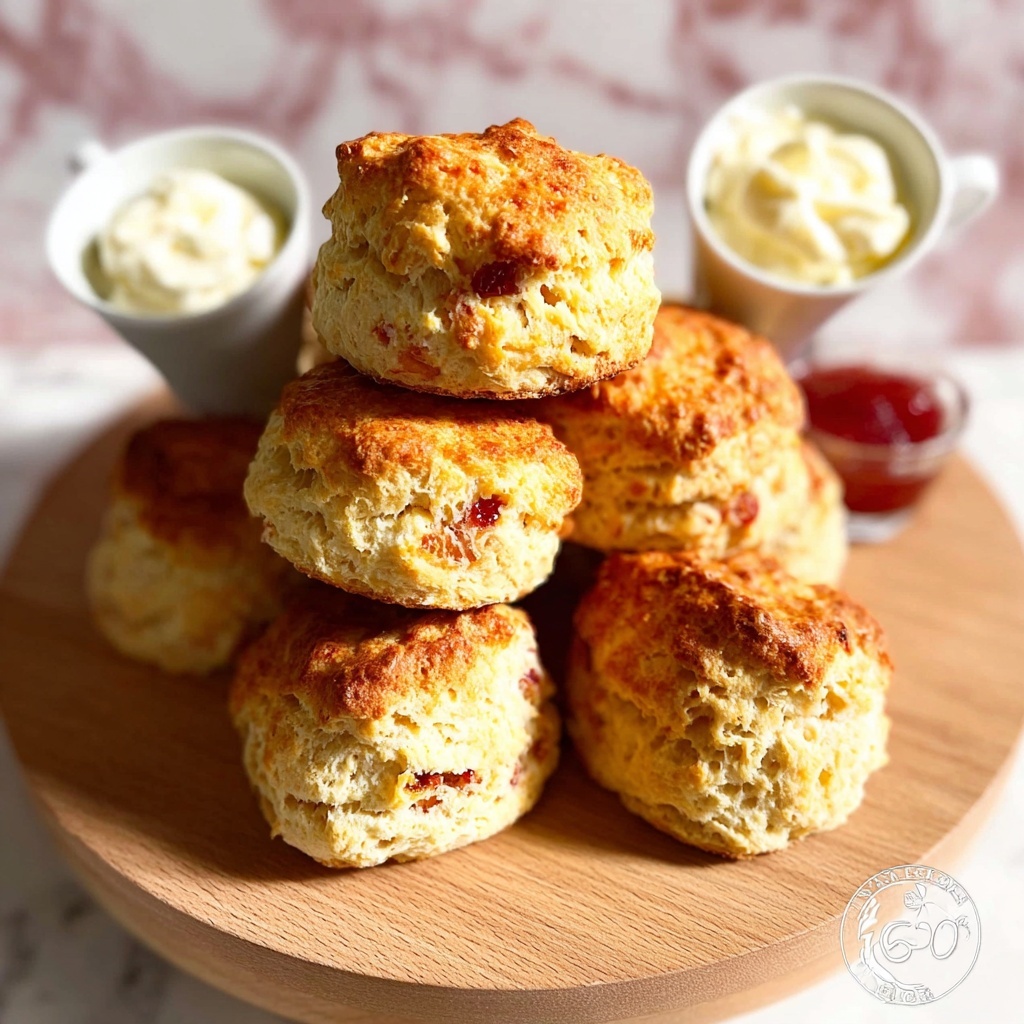
If you’ve ever longed for a truly authentic taste of British teatime, the Traditional English Scones (Official Buckingham Palace Recipe) Recipe is your golden ticket. These scones are wonderfully tender, delightfully buttery, and boast just the right touch of sweetness, made all the more special by their royal endorsement. Every bite transports you to a cozy afternoon in a stately garden, complete with clotted cream and jam, making it an absolute must-try for both seasoned bakers and enthusiastic beginners alike.
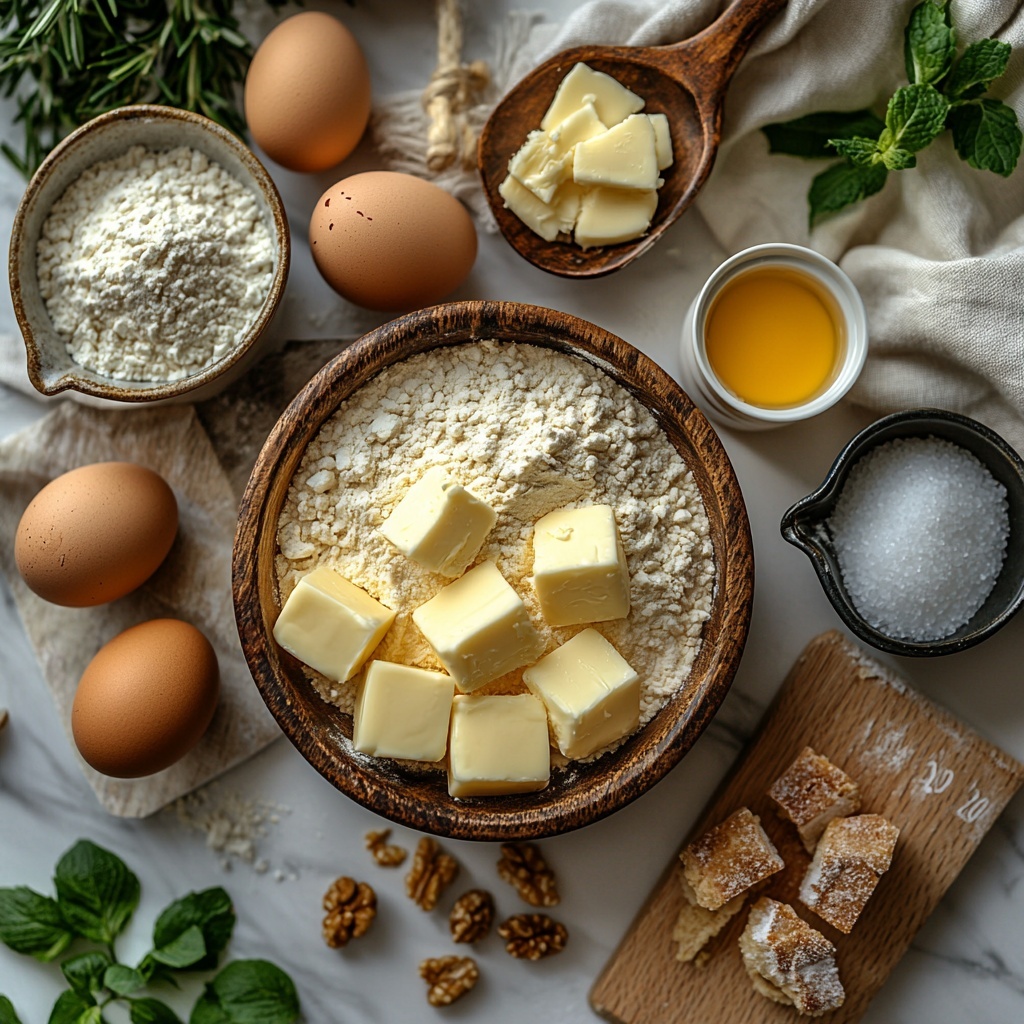
Ingredients You’ll Need
One of the joys of the Traditional English Scones (Official Buckingham Palace Recipe) Recipe is how straightforward the ingredient list is. Each element plays a critical role in creating that signature fluffy texture and golden crust we all adore.
- All-purpose flour, 3 1/2 cups: The backbone of the scones, providing structure and that tender crumb we love.
- Baking powder, 2 tablespoons plus 1 teaspoon: This is the rising agent that ensures your scones puff up beautifully and stay light.
- Pinch of salt: Enhances the flavors and balances the sweetness.
- Cold unsalted butter, 7 tablespoons: Key for a flaky, rich texture; make sure it’s cold to create those perfect layers.
- Sugar, 1/2 cup: Adds just a touch of sweetness to complement jams and cream.
- Eggs, 3 (divided): Eggs add moisture and richness; two go into the dough while one is for brushing, giving your scones a glorious golden finish.
- Buttermilk, 3/4 cup (less 1 tablespoon): Adds a subtle tang and helps tenderize the dough.
- Optional: Sultanas or golden raisins, 2/3 cup: For those who like a little fruity sweetness in their scones.
How to Make Traditional English Scones (Official Buckingham Palace Recipe) Recipe
Step 1: Prepare the Sultanas (If Using)
Begin with soaking the sultanas in hot water for 20 minutes, then drain them well. This simple step plumps the fruit, making every bite juicy and tender, which adds the perfect sweet surprise inside your scones.
Step 2: Combine the Dry Ingredients
In a large bowl, sift together the flour, baking powder, salt, and sugar. Cutting in the cold unsalted butter until the mixture resembles fine crumbs is key—this helps create that delicate, flaky crumb texture. Keep your butter chilled to get those wonderful buttery pockets in the final bake.
Step 3: Mix the Wet Ingredients and Combine
Whisk two eggs with buttermilk in a separate bowl, then gently fold this mixture into your dry ingredients. If you’re adding sultanas, now’s the time to fold them in. The batter will be soft but not too wet—this balance ensures light and tender scones.
Step 4: Knead and Chill the Dough
Turn the dough out onto a floured surface and knead it very gently until just smooth. The gentler you are, the fluffier the scones will stay. Once smooth, wrap and chill the dough for 30 minutes. This chilling step firms the butter, making it easier to roll out and enhancing the rise during baking.
Step 5: Shape Your Scones
Preheat your oven to 400°F (205°C). Roll out the dough to about 1-inch thickness—this height is essential for that classic scone rise—and cut into rounds using a cutter or glass. Make sure to press down straight without twisting to help your scones rise evenly.
Step 6: Bake to Golden Perfection
Place the scones on a baking sheet and brush the tops with the remaining beaten egg. This egg wash creates a beautiful golden crust. Bake for 12 to 15 minutes until the tops are golden brown and the scones have puffed up beautifully. Once out of the oven, allow them to cool slightly and resist the urge to cut immediately—it helps keep the soft crumb intact.
How to Serve Traditional English Scones (Official Buckingham Palace Recipe) Recipe
Garnishes
The magic of these scones shines brightest when paired with traditional garnishes like clotted cream and strawberry jam. Spread thick, luxurious clotted cream generously, then spoon on a dollop of sweet, tangy jam for the ultimate teatime experience. You can also experiment with lemon curd or honey for different flavor profiles.
Side Dishes
Traditional scones are the star, but serving them alongside a pot of freshly brewed English tea elevates the whole experience. For a savory twist, consider adding cucumber sandwiches or smoked salmon bites on the side. These pairings balance the scones’ sweetness and create a fuller slice of British tradition.
Creative Ways to Present
For a casual gathering, stack your scones on a tiered stand, layering them with small bowls of cream and jam. Or, try slicing your scones in half, toasting them lightly, then layering fresh berries and whipped cream for a delightful dessert twist. Presentation can be as simple or fancy as you like, making these scones adaptable for any occasion.
Make Ahead and Storage
Storing Leftovers
If you have any leftover scones, store them in an airtight container at room temperature for up to two days. This keeps them soft and fresh, though they’re often best enjoyed the same day fresh from the oven.
Freezing
Scones freeze beautifully! Wrap each scone individually in plastic wrap and place them in a freezer-safe bag. They can be frozen for up to three months. When you’re ready for a treat, simply thaw at room temperature.
Reheating
To revive frozen or leftover scones, warm them in a preheated oven at 350°F (175°C) for about 5-8 minutes. Avoid microwaving, as this can make them rubbery. Reheating this way restores that freshly baked texture and warmth perfectly.
FAQs
Can I substitute buttermilk in the recipe?
Yes, you can make a simple buttermilk substitute by adding one tablespoon of lemon juice or white vinegar to a cup of milk and letting it sit for 5-10 minutes. This acidity helps the scones rise and adds tenderness, closely replicating the effect of buttermilk.
What’s the best way to cut the scones for baking?
Use a sharp round cutter and press down firmly without twisting it. Twisting seals the edges and can prevent the scones from rising properly. Straight pressing helps create those lovely fluffy edges.
Can I make these scones without raisins or sultanas?
Absolutely! The sultanas are optional, and the scones are delicious plain. You can also add other mix-ins like dried cranberries, currants, or even chocolate chips if you want a twist on the traditional flavor.
Is it necessary to chill the dough before baking?
Chilling the dough is highly recommended. It firms up the butter and relaxes the gluten in the flour, both of which contribute to fluffy, tender scones with a beautiful rise and texture.
How long do scones keep fresh once baked?
Scones are at their best within the first day or two after baking. Stored properly in an airtight container, they can stay fresh for up to 48 hours, but for the very best taste and texture, enjoy them fresh out of the oven.
Final Thoughts
There’s something undeniably charming about the Traditional English Scones (Official Buckingham Palace Recipe) Recipe. It’s not just the rich buttery flavor or the tender crumb—it’s that connection to a grand tradition of British baking that makes every bite feel special. Whether you’re preparing them for a special brunch, cozy afternoon tea, or simply a sweet snack, these scones always impress. So roll up your sleeves and give this royal recipe a try—your taste buds will thank you for it!
Print
Traditional English Scones (Official Buckingham Palace Recipe) Recipe
- Prep Time: 20 minutes
- Cook Time: 15 minutes
- Total Time: 35 minutes
- Yield: 12 scones (approximately 12 servings)
- Category: Baking
- Method: Baking
- Cuisine: British
- Diet: Vegetarian
Description
This recipe presents the official Buckingham Palace traditional English scones, known for their tender crumb and lightly golden crust. Perfectly suited for afternoon tea, these scones combine classic ingredients like buttermilk, cold butter, and optional sultanas or golden raisins to create a quintessential British treat.
Ingredients
Dry Ingredients
- 3 1/2 cups all-purpose flour
- 2 tablespoons plus 1 teaspoon baking powder
- Pinch of salt
- 1/2 cup sugar
Wet Ingredients
- 7 tablespoons cold unsalted butter
- 3 eggs (divided)
- 3/4 cup buttermilk (less 1 tablespoon)
Optional
- 2/3 cup sultanas or golden raisins
Instructions
- Soak Sultanas: If using, soak the sultanas in hot water for 20 minutes to plump them up, then drain thoroughly to prevent excess moisture in the dough.
- Mix Dry Ingredients and Butter: In a large bowl, combine the all-purpose flour, baking powder, salt, and sugar. Cut the cold unsalted butter into the dry mixture using a pastry blender or fingers until the texture resembles coarse crumbs.
- Combine Wet Ingredients: In a separate bowl, whisk together two eggs with the buttermilk. Pour this mixture into the dry ingredients and gently combine to form the dough. Fold in the drained sultanas or golden raisins if using.
- Knead and Chill Dough: Turn the dough out onto a floured surface and knead gently until smooth but not overworked. Wrap or cover the dough and chill in the refrigerator for 30 minutes to firm up the butter and improve texture.
- Preheat and Shape: Preheat your oven to 400°F (205°C). Roll the chilled dough out to approximately 1 inch thickness. Use a round cutter to cut out scones.
- Bake Scones: Place the scones on a baking sheet lined with parchment paper, brush the tops with the beaten third egg for a shiny finish, and bake in the preheated oven for 12-15 minutes until they turn a beautiful golden brown.
Notes
- Using cold butter is crucial for achieving a flaky texture in the scones.
- Do not over-knead the dough to keep the scones light and tender.
- Adjust baking time slightly depending on your oven for perfectly golden scones.
- Serve warm with clotted cream and jam for an authentic English experience.
- Buttermilk can be substituted with milk plus 1 teaspoon lemon juice or vinegar if unavailable.