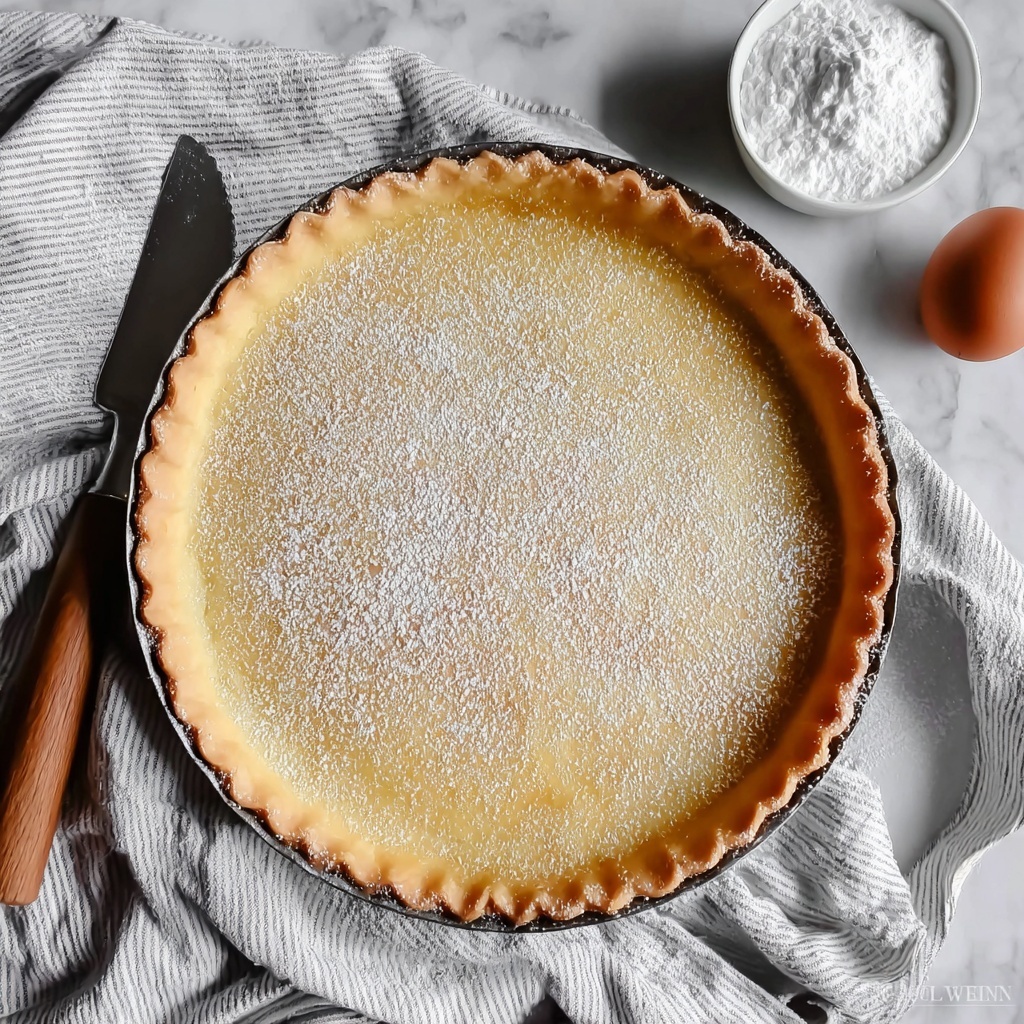
If you’ve ever dreamed of creating a perfectly crisp and buttery tart crust that melts in your mouth, this Pâte Sablée (Classic Sweet Tart Pastry) Recipe is your golden ticket. This luscious pastry offers a delightfully tender and crumbly texture that serves as the perfect canvas for all your favorite tart fillings. Whether you’re dreaming of fresh fruit tarts, rich chocolate ganache, or silky custards, mastering this classic recipe will elevate your baking game and impress every guest at your table.
Ingredients You’ll Need
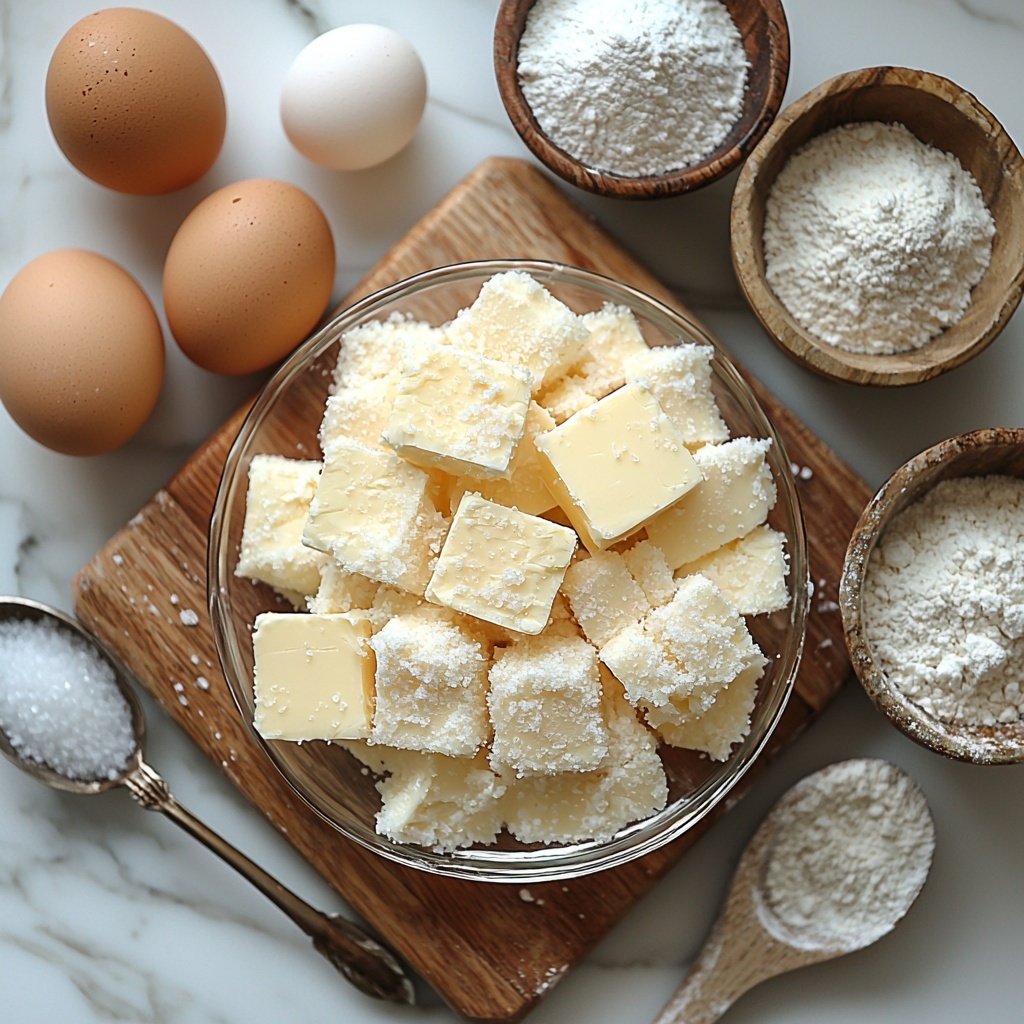
Gathering simple, high-quality ingredients is the secret to achieving that delicate balance of texture and flavor in this pastry. Each item plays its part in creating a sweet, tender base that holds up beautifully under any filling.
- 150 g unsalted butter (soft, at room temperature): Provides richness and the tender crumb that defines pâte sablée.
- 50 g granulated sugar: Adds just the right amount of sweetness and a lightly crisp texture.
- ½ tsp salt: Enhances all the flavors and balances the sweetness.
- 1 egg: Binds the dough together for easy handling and gives structure to your pastry.
- 250 g all-purpose flour: The foundation of your dough, it helps create that delicate crumbly texture.
How to Make Pâte Sablée (Classic Sweet Tart Pastry) Recipe
Step 1: Prepare Your Ingredients
Start by gathering all your ingredients and making sure your butter is softened to room temperature. This step is key to creating a smooth dough without lumps, allowing the butter to cream easily with the sugar.
Step 2: Cream Butter and Sugar
In a mixing bowl, cream together the softened butter and granulated sugar until the mixture is light and fluffy. This process incorporates air into the dough which contributes to the tender texture of the final tart crust.
Step 3: Incorporate Egg and Salt
Add the egg and salt to the creamed butter and sugar. Mix until everything is fully combined into a velvety batter. The egg helps bind the dough, while the salt enhances all the flavors beautifully.
Step 4: Add Flour Gradually
Gradually sift and mix in the all-purpose flour until a dough forms. Be careful not to over-mix here—just enough to combine the ingredients. Overworking the dough can make the pastry tough instead of delightfully crumbly.
Step 5: Chill the Dough
Shape your dough into a flat disc, wrap it tightly in plastic wrap, and refrigerate for at least 30 minutes. This chilling step firms up the butter and relaxes the gluten, making it easier to roll out and helping to maintain the pastry’s structure during baking.
Step 6: Roll Out the Dough
On a lightly floured surface, roll out the chilled dough to fit your tart pan. Aim for an even thickness to ensure your tart bakes uniformly. This is where your dough begins to take the familiar shape of a beautiful tart crust.
Step 7: Bake to Perfection
Preheat your oven to 180°C (350°F). Line the tart pan with baking paper and fill it with pie weights or dried beans to prevent the crust from puffing up. Bake for about 15 minutes or until it turns a lovely golden brown. The aroma alone is a joyous sign of the delicious tart to come!
How to Serve Pâte Sablée (Classic Sweet Tart Pastry) Recipe
Garnishes
Garnishing your tart is where you can get creative and make your dessert shine. Fresh berries, edible flowers, a dusting of powdered sugar, or a drizzle of dark chocolate elevate the presentation and introduce complementary flavors and textures.
Side Dishes
Pair your tart with a scoop of vanilla bean ice cream, a dollop of whipped cream, or even a side of lemon curd to add a refreshing contrast to the buttery crust. Every bite becomes a harmonious blend of creamy, tangy, and sweet sensations.
Creative Ways to Present
Try making mini tartlets using this pâte sablée dough for individual portions at parties, or create a seasonal tart by layering a glaze of apricot jam underneath your fruit topping. The versatility of this pastry lets your imagination run wild!
Make Ahead and Storage
Storing Leftovers
Any leftover pâte sablée dough can be wrapped tightly in plastic wrap and kept in the fridge for up to two days. Keeping it chilled ensures the butter stays firm, maintaining the dough’s ideal texture for rolling out again.
Freezing
You can freeze the dough for up to a month. When ready to use, thaw it overnight in the refrigerator. This makes it easy to prepare your crust in advance and have it ready whenever the baking mood strikes.
Reheating
If you have a baked tart crust that you’d like to refresh, warm it briefly in a preheated oven at 160°C (320°F) for about 5 minutes to regain some crispness without drying it out.
FAQs
Can I use salted butter instead of unsalted?
Using salted butter is possible, but it’s best to reduce or omit the added salt in the recipe to avoid an overly salty pastry. Unsalted butter offers more control over the final flavor balance.
What if I overwork the dough?
Over-mixing develops gluten which can make the pastry tough rather than tender and crumbly. If that happens, chilling the dough longer can help relax it, but the texture may still be affected slightly.
Can I make this dough by hand or do I need a mixer?
You can absolutely make this dough by hand. Use your fingertips to rub the butter and sugar together until creamy, then mix in egg and flour. A mixer just speeds up the process.
Is it necessary to chill the dough?
Yes, chilling the dough is important. It firms up the butter, making it easier to roll out, and helps prevent the crust from shrinking during baking.
Can I use this pâte sablée for other desserts?
Definitely! It works wonderfully for cookies, tartlets, and any dessert that benefits from a buttery, crumbly base.
Final Thoughts
There is something truly special about mastering the Pâte Sablée (Classic Sweet Tart Pastry) Recipe. Its buttery, delicate texture and sweet, tender crumb create the perfect foundation for expressing your culinary creativity. I can’t wait for you to try it and discover just how transformative this classic pastry can be for your baking adventures!
Print
Pâte Sablée (Classic Sweet Tart Pastry) Recipe
- Prep Time: 15 minutes
- Cook Time: 15 minutes
- Total Time: 30 minutes plus chilling time
- Yield: 8 servings (one 9-inch tart crust)
- Category: Dessert
- Method: Baking
- Cuisine: French
- Diet: Vegetarian
Description
This classic Pâte Sablée recipe creates a tender, sweet tart pastry perfect for all your favorite tart fillings. With its rich buttery flavor and crumbly yet delicate texture, this tart crust will elevate your desserts to the next level. The dough is easy to prepare and requires chilling before rolling out and baking to perfection.
Ingredients
Ingredients
- 150 g unsalted butter (soft, at room temperature)
- 50 g granulated sugar
- ½ tsp salt
- 1 egg
- 250 g all-purpose flour
Instructions
- Prepare ingredients: Gather all ingredients and make sure the butter is softened and at room temperature for easy creaming.
- Cream butter and sugar: In a mixing bowl, beat the softened butter with granulated sugar until the mixture is light and fluffy, which helps create a tender crust.
- Add egg and salt: Mix in the egg and salt until fully incorporated into the butter and sugar mixture, ensuring even flavor and structure.
- Incorporate flour: Gradually add the all-purpose flour while mixing to form a dough; be careful not to over-mix to maintain tenderness.
- Chill the dough: Shape the dough into a disc, wrap it in plastic wrap, and refrigerate for at least 30 minutes to firm up, making it easier to roll and bake evenly.
- Roll and fit dough: On a floured surface, roll out the chilled dough to fit your tart pan, ensuring an even thickness.
- Preheat and bake: Preheat your oven to 180°C (350°F). Line the tart pan with baking paper and add pie weights if desired to prevent shrinking, then bake the crust for about 15 minutes or until it turns a golden brown.
Notes
- Using cold butter and chilling the dough is crucial for a flaky and tender crust.
- You can blind bake the crust with pie weights to avoid puffing up and shrinking.
- Let the crust cool completely before adding fillings to prevent sogginess.
- The crust can be stored in the refrigerator wrapped in plastic wrap for up to 2 days or frozen for up to 1 month.